You may be eligible to recover benefits after electrical injuries at work in Indiana if you meet the legal threshold laid out by the state's Workers ' Compensation System.
Securing these electrical injury workers' comp benefits involves reporting the incident, documenting your injuries, and filing a claim.
But just because you followed the proper procedures doesn't mean your claim will be approved, let alone for the amount you may be entitled to under the law.
The effects of an electric shock can be severe and long-lasting. Without access to benefits that cover medical expenses and lost earnings, you may be facing incredible physical and financial hardship.
An Indianapolis workers' compensation attorney from Klezmer Maudlin, P.C., can help you understand your legal rights and options during a free case evaluation.
We will listen to your story, assess the details, and clarify your legal options and next steps under Indiana workers’ compensation law.
Key Takeaways About Why Legal Representation Matters in Electrical Injury Workers' Comp Claims
- Indiana workers' compensation laws can be challenging to navigate. A lawyer can guide you through the filing process, helping you meet the requirements of the Workers' Compensation Act and avoid common pitfalls that lead to denials.
- Hidden injuries require detailed medical documentation. Electrical injuries often involve internal damage or delayed symptoms. An attorney can collaborate with medical professionals to build a strong case that reflects the full scope of your injuries.
- Insurance companies may challenge your claim. Employers and insurers might dispute the work-related nature of your injury or minimize its severity. Legal representation provides the advocacy needed to counter these tactics with compelling evidence.
- Third-party claims involve additional complexities. If defective equipment or another party’s negligence caused your injury, a lawyer can identify these opportunities and pursue additional compensation through a third-party liability claim.
- Legal advocacy strengthens your position. An Indianapolis workers' comp attorney can represent you during hearings, negotiate with insurance companies, and protect your rights under Indiana Code Title 22, Article 3.
The Serious and Often Invisible Nature of Electrical Injuries
An electrical accident on the job can happen in an instant, but its consequences can last a lifetime.
Whether it's from contact with a live wire on a construction site, an arc flash from malfunctioning industrial machinery in a warehouse, or faulty wiring in a restaurant kitchen, the danger is significant.
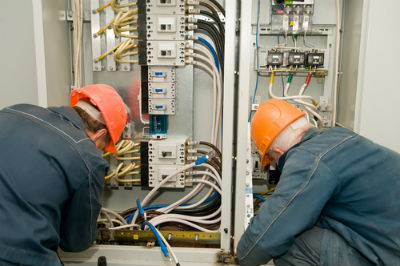
Unlike other workplace accidents, the full extent of an electrical injury is not always visible.
While external burns are common, the electric current can travel through the body, causing severe damage to internal organs, the heart, and the nervous system.
Victims may suffer from:
- Cardiac arrest or irregular heart rhythms.
- Nerve damage, leading to chronic pain or loss of function.
- Brain injuries from the shock itself or a resulting fall.
- Psychological trauma, including anxiety and PTSD.
Because many of these conditions are not immediately obvious, insurance companies may try to downplay the severity of the injury or deny claims for ongoing treatment.
This makes documenting your condition and understanding your rights with the help of a lawyer critical to the success of your claim.
Workers' Compensation Benefits for Electrical Injuries in Indiana
Indiana's workers' compensation system is designed to provide a safety net for employees injured on the job.
It is a "no-fault" system, which means you do not have to prove your employer was negligent to receive benefits.
As long as the electrical accident occurred while you were performing your job duties without any violations of employee conduct, like being intoxicated on the job, you may be able to recover some benefits for eligible losses, such as:
- Medical treatment: Workers' comp should cover 100% of your medical expenses related to the injury. This includes emergency room visits, hospital care for workplace electrical burns, surgeries, medication, and rehabilitation or physical therapy.
- Wage replacement benefits: If your injuries prevent you from working, you may receive temporary total disability (TTD) benefits. These benefits replace a portion of your lost wages while you recover.
- Permanent Partial Impairment (PPI): If the electrical injury results in a permanent loss of function, such as nerve damage or scarring from a burn injury, you may be eligible for PPI benefits. This payment is based on the nature and severity of the permanent impairment.
- Vocational rehabilitation: In cases where you cannot return to your previous job due to your injuries, workers' comp may provide vocational rehabilitation services to help you train for a new line of work.
Securing these benefits requires following the proper procedures, starting with reporting the injury to your employer. Then, contact a lawyer who can help fight for the maximum compensation you may be eligible for under the law.
Why Electrical Injury Workers' Compensation Claims Get Denied in Indiana
Even in a no-fault system, insurance companies may still look for reasons to deny legitimate claims. Common reasons for denial of a claim for a work-related electrical injury in Indiana include:
- Failure to report in time: The insurer may argue that you did not report the injury within the timeframe required by law.
- Dispute over work-relatedness: The company could claim the accident did not happen in the course of your employment.
- Alleged safety violations: If the employer claims you willfully disregarded a known safety rule, such as failing to follow lockout/tagout procedures, they may try to deny the claim. While this is a high bar for the employer to prove, it is a common defense.
- Pre-existing conditions: The insurer might point to a pre-existing medical condition as the cause of your symptoms rather than the electrical shock.
- Miscategorization of employment type: Some employers may be misclassifying you as an independent contractor, which can affect your right to seek workers' compensation benefits. This classification is set by the responsibilities of the job, not the legal title you hold in the business or company.
If your claim is denied, you have the right to challenge that decision by filing an Application for Adjustment of Claim with the Indiana Workers' Compensation Board.
This marks the beginning of the formal appeals process, which may be best approached with the assistance of experienced legal professionals.
The Possibility of Third-Party Liability Claims
While the workers' compensation system is typically the exclusive remedy for an employee injured on the job, there is a major exception.
If your electrical injury was caused by the negligence of a third party, someone other than your employer or a coworker, you may be able to file a separate third-party liability claim.
Examples of potential third parties in an electrical accident include:
- The manufacturer of defective electrical equipment or machinery.
- An outside contractor whose faulty wiring was responsible for the accident.
- A utility company that failed to properly maintain power lines near your job site.
- The property owner of a construction site was responsible for maintaining a safe environment.
A third-party claim allows you to seek damages not available through workers' compensation, such as compensation for pain and suffering.
An experienced lawyer can investigate your accident to determine if a third party may be at fault and help you pursue all available avenues for recovery.
How an Attorney Can Help with Your Electrical Injury Claim
The complexities of an electrical injury claim, combined with the potential for long-term disability, make legal guidance essential.
An Indianapolis electrical accident workers' comp attorney can manage your case from start to finish, allowing you to focus on your recovery.
A lawyer can:
- Investigate the accident to determine the cause and identify all liable parties.
- Handle all communication with your employer and their insurance carrier.
- Gather the necessary medical evidence to prove the full extent of your injuries.
- Represent you in hearings before the Workers' Compensation Board if your claim is denied.
- Evaluate and pursue any potential third-party liability claims.
The goal is to build the strongest possible case to help you obtain the full benefits you may be owed under the law.
Types of Workplace Accidents That Cause Electrocution Injuries
Electrocution injuries can happen in a variety of workplace settings, often due to unsafe conditions or equipment failures.
These accidents are particularly common in industries where employees work with electrical systems, heavy machinery, or construction tools.
Some of the most frequent causes of workplace electrocution injuries include:
- Contact with live power lines. Utility workers, construction crews, and landscapers are at risk when working near overhead or underground power lines.
- Faulty wiring or equipment. Defective electrical systems, exposed wires, or poorly maintained machinery can lead to electric shocks or arc flashes.
- Improper lockout/tagout procedures. Failing to de-energize equipment during maintenance or repairs can result in serious electrical accidents.
- Use of damaged tools or extension cords. Frayed cords or tools with compromised insulation can expose workers to electrical currents.
- Scaffold or ladder contact with power sources. Construction workers using metal ladders or scaffolding near electrical systems face a heightened risk of electrocution.
Understanding the types of accidents that lead to electrocution injuries highlights the importance of workplace safety and compliance with OSHA regulations. When these standards are violated, workers may face life-altering consequences.
Legal representation can help injured employees hold employers or third parties accountable, ensuring they receive the benefits and compensation needed to recover and move forward.
Steps to Take After an Electrical Accident at Work
The actions you take immediately following a workplace electrical accident are critical for both your health and your potential workers' compensation claim:
- Seek immediate medical attention: Your health is the top priority. Call 911 or go to the nearest emergency room. Even if you feel fine, some symptoms of electrical injury can be delayed.
- Report the injury to your employer: Notify your supervisor or manager about the accident in writing as soon as possible. Indiana law requires timely reporting, and the insurance company could use a delay to deny your claim.
- Document everything: Write down the details of how the accident happened, including the date, time, location, and any witnesses. If possible, take photos of the scene, the equipment involved, and your visible injuries.
- Follow all medical advice: Adhere to the treatment plan prescribed by your doctor. Failure to do so can be used as a reason to cut off your benefits.
Navigating the benefits system after a serious workplace injury is challenging without legal support. Partnering with a lawyer early in the process, maintaining clear records, and following smart practices for protecting your rights may help position your claim for success.
Indiana Electrocution Injury Workers' Comp Claim FAQs
What if the accident was my fault?
Indiana's workers' compensation system is no-fault, so even if your own mistake contributed to the accident, you are generally still eligible for benefits. The only major exception is if the injury resulted from intentional misconduct or intoxication.
Can my employer fire me for filing a workers' comp claim?
It is illegal for your employer to retaliate against you for reporting a work injury or filing a claim for benefits. If you are facing retaliation or threats of termination, contact a lawyer from Klezmer Maudlin, P.C., as soon as possible to protect your rights.
How are permanent injuries compensated?
Permanent partial impairment (PPI) benefits are calculated based on a formula set by Indiana law. The formula takes into account the body part injured and the degree of impairment assigned by a doctor.
What if I was an independent contractor?
Worker classification can be complex. Even if your employer calls you an independent contractor, you may legally be an employee based on the nature of your work relationship. This is a common issue on construction sites, and a lawyer can help determine your true status.
Electrocuted on an Indiana Worksite? Contact Klezmer Maudlin for a Free Case Evaluation
An electrical injury can turn your life upside down, creating physical, emotional, and financial challenges. The workers' compensation system is in place to help, but it can be challenging to navigate on your own.
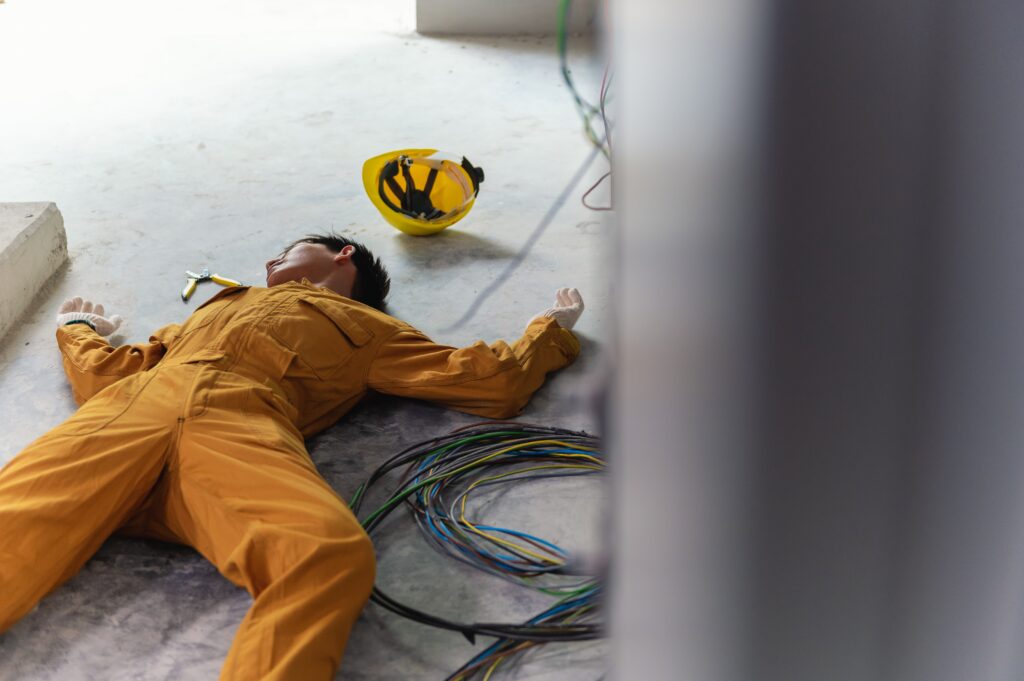
The law provides a pathway to benefits, but it is up to you to take the first step.
personal injury lawyers in Indianapolis at Klezmer Maudlin are ready to help injured Indiana workers fight for the benefits they deserve after being hurt on the job.
We have extensive experience representing workers through the denial and appeal process, taking every legal measure possible to help secure the maximum compensation you may be eligible for under the law.
Are you prepared to seek the full benefits available for your recovery after a workplace electrical accident?
Contact Klezmer Maudlin, P.C., online or call our Indiana electrocution accident injury lawyers at (317) 569-9644 for a free case evaluation exploring your next legal steps.